New Age-Defying Ingredients. What You Should know!
Age-Defying Ingredients
Most of us are familiar with retinoids (tretinoin, Retin-A, retinol), antioxidants (vitamin C), and exfoliating acids used to prevent and reverse signs of skin aging. What about some of the newer, lesser-known ingredients? These include growth factors, peptides, and exosomes.
Before diving into those ingredients, let’s first talk about a few key aspects of the skin’s structure, how it ages, and the challenges of getting skincare ingredients into the skin where they’re actually needed.
Intrinsic vs. Extrinsic Aging
There are two main types of aging within the skin: intrinsic and extrinsic.
Intrinsic aging is considered natural aging caused by genetics and hormonal shifts.
Extrinsic aging is caused by environmental and lifestyle factors such as sun exposure, pollution, substance use, poor diet, and stress.
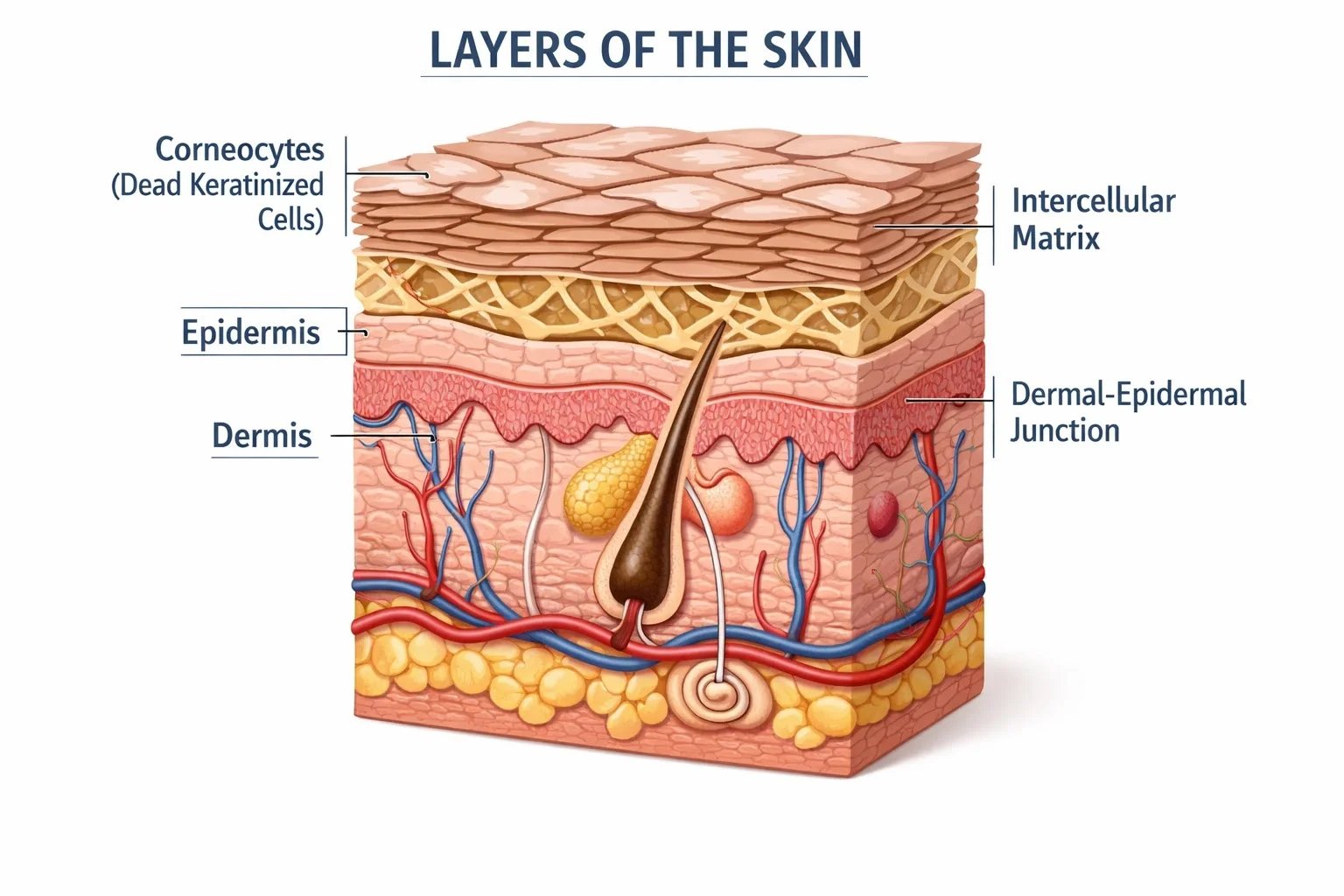
Signs of aging typically appear as laxity (sagging), fine lines, wrinkles, and discoloration. The majority of these visible changes begin in the dermis, the layer of skin where collagen and elastin are produced and where much of the skin’s structural support is formed. Getting skincare ingredients into the dermis to counteract this aging is where things can get a little tricky.
Our skin is part of our immune system, and its physiology is designed to prevent substances from entering the body easily. This becomes challenging when the goal is to deliver active ingredients down to the dermal layer and its specific cells.
There are three main “safety checks” our skin has that can make product absorption difficult:
1. The Stratum Corneum
The stratum corneum is the outermost layer of the epidermis and is structured like bricks and mortar.
The “bricks” are hardened skin cells (corneocytes), while the “mortar” is an intercellular matrix made primarily of lipids. This barrier is incredibly effective at protecting the body, but it also makes it harder for skincare ingredients to penetrate deeper into the skin.
2. The Dermal–Epidermal Junction (DEJ).
The DEJ has several functions, but in relation to the immune system, its role is to act as a selectively permeable barrier between the epidermis and the dermis. “Selective” means its gatekeepers allow only specific molecular sizes and/or types to pass through.
3. The Cell Membrane
Like all cells in our body, the cells in our skin have a cell membrane. For substances to pass through this membrane and communicate with the nucleus to trigger a specific action, they must have the right “key” to fit into the “locked door,” known as a receptor.
For products to move through these checkpoints, they ideally need to be fat-soluble so they can pass through the fatty lipid “mortar” of the skin barrier. (Products can also move through the skin if they are water-soluble; however, these ingredients tend to remain in the upper epidermal layers.) They also need to have a small enough molecular structure to penetrate effectively.
That’s where the beauty of these newer ingredients comes in.
Peptides
By definition, peptides are short chains of amino acids linked by peptide bonds. In skincare, they act like messengers, delivering specific instructions that influence how skin cells function.
There are five main types commonly used in skincare:
Signaling peptides – stimulate collagen production
Carrier peptides – deliver trace elements like copper into the skin
Neurotransmitter peptides – can help relax facial muscles, reducing the appearance of fine lines and wrinkles
Enzyme inhibitor peptides – block enzymes that break down collagen and other dermal structures, helping slow visible aging
Antimicrobial peptides – help reduce inflammation and support the skin’s immune defense
One of the most common ways to help peptides penetrate the skin is by attaching them to a fatty lipid, which allows them to pass through the lipid “mortar” of the skin barrier.
Ingredients that begin with palmitoyl (for example, palmitoyl tripeptide-1) are an indication that this lipid attachment has been used to enhance penetration.
Growth Factors
Growth factors are naturally occurring, protein-based signaling molecules that regulate cellular processes. In skincare, they are used to help stimulate collagen and elastin production.
They work by signaling fibroblast cells in the dermis to multiply. Fibroblasts are the cells responsible for producing collagen and elastin, so increasing their activity can help improve skin structure and resilience.
However, growth factors are too large to easily pass through the skin’s natural barriers. Because of this, the most effective delivery methods often involve what are called clinical bypass techniques, such as microneedling or laser treatments, which create temporary pathways that allow these larger molecules to reach deeper layers of the skin.
In topical skincare, newer technologies are beginning to address this challenge by encapsulating growth factors in liposomes (essentially tiny lipid bubbles) or by using exosomes as carriers to help deliver these signaling molecules through the skin barrier.
Exosomes
Exosomes are the newest innovations in regenerative skincare.
Exosomes are microscopic vehicles that our cells naturally release to communicate with other cells. In skincare, these vehicles can be filled with growth factors, proteins, lipids, and genetic signaling molecules that help target specific cells and instruct them to perform certain actions.
These signals may encourage cells to regenerate and produce more collagen and elastin, speed up recovery to help control inflammation, or help aging cells essentially “wake up” and function more efficiently.
Because exosomes are extremely small and have a fatty bilayer structure, they can move more easily through the skin’s natural “checkpoints.” However, the source of the exosomes can significantly affect their potency and effectiveness.
There are three primary sources used in skincare and aesthetic treatments:
Human or platelet-derived exosomes
Plant-derived exosomes
Bacterial-derived exosomes
Since exosomes are still relatively new to the skincare industry, there are not yet many topical skincare products formulated with them, and there is limited information available about long-term formulation stability. However, they have become increasingly popular in professional treatments such as microneedling, where delivery into the skin is enhanced.
In clinical use, plant-derived exosomes are generally considered the least potent, while bacterial-derived exosomes—particularly those derived from Lactobacillus—are often considered more effective. This is because beneficial bacteria already exist throughout the skin’s microbiome, which may allow these exosomes to be more readily recognized and utilized by the skin.
As skincare science continues to evolve, ingredients like peptides, growth factors, and exosomes are helping bridge the gap between traditional topical products and regenerative skin treatments. Understanding how these ingredients communicate with our skin’s cells allows us to choose products and treatments that not only improve the skin’s appearance but also support its long-term health and function.
Introducing FF3
Vivant’s FF3 has formula forward ingredients for menopausal and aging skin. These serums contain ingredients such as peptides, growth factors, hyaluronic acid, and retinol to reset and reawaken youthful skin function. Although the price point seems a bit higher all of these products are multiple products in one.
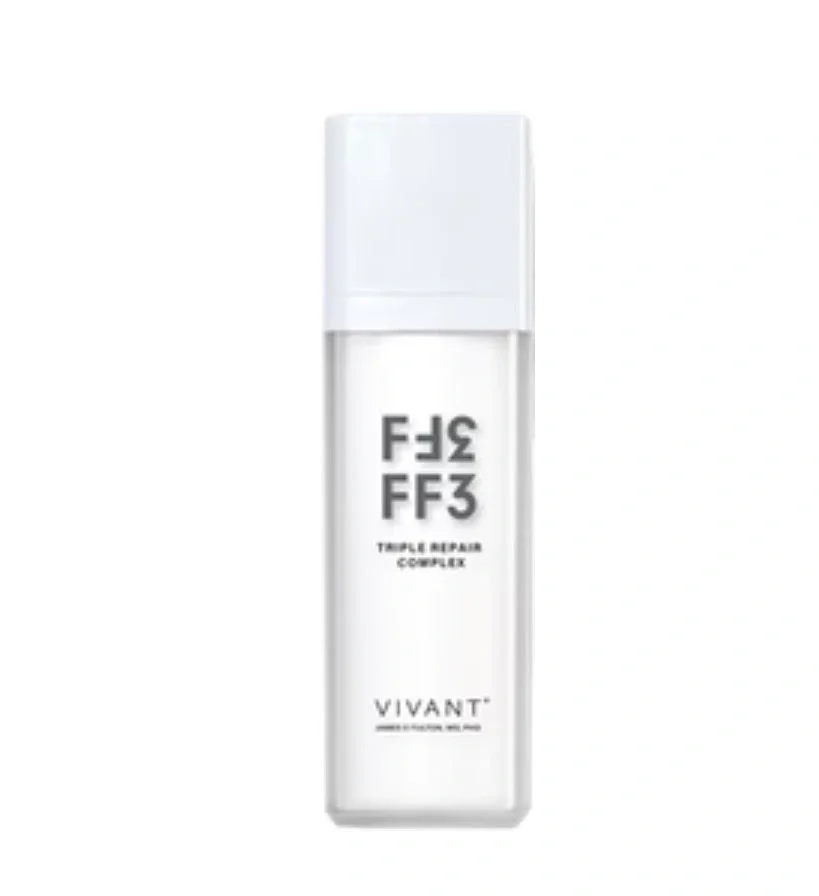
FF3 Triple Repair Complex
Using multiple peptides, a growth factor complex and retinol this serum helps to improve the appearance of discoloration, lines and texture.
$258
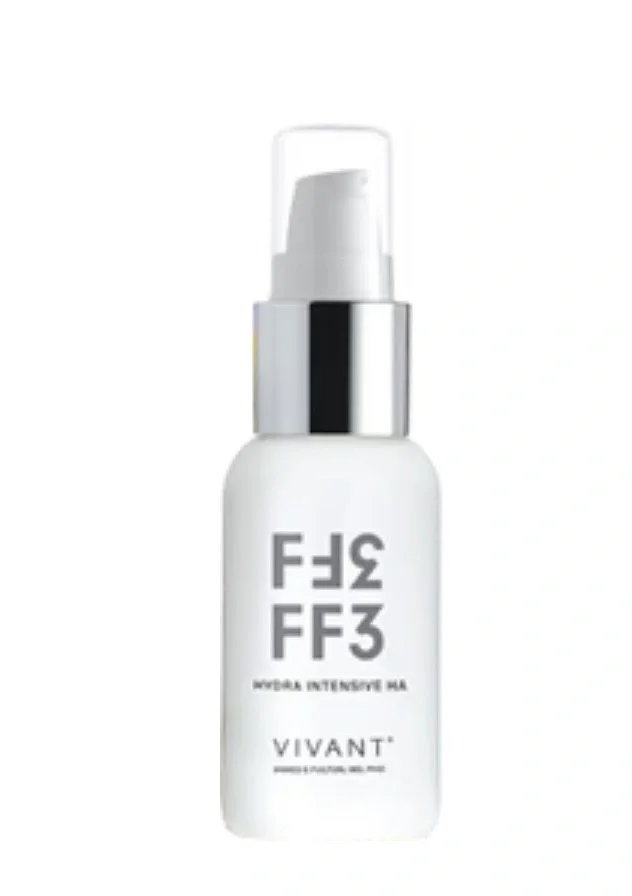
FF3 Hydra Intensive HA
This is the ultimate hydrating and plumping serum.
It has hyaluronic acid, niacinamide, neuropeptides and DMAE (a firming ingredient)
$206
Make it stand out
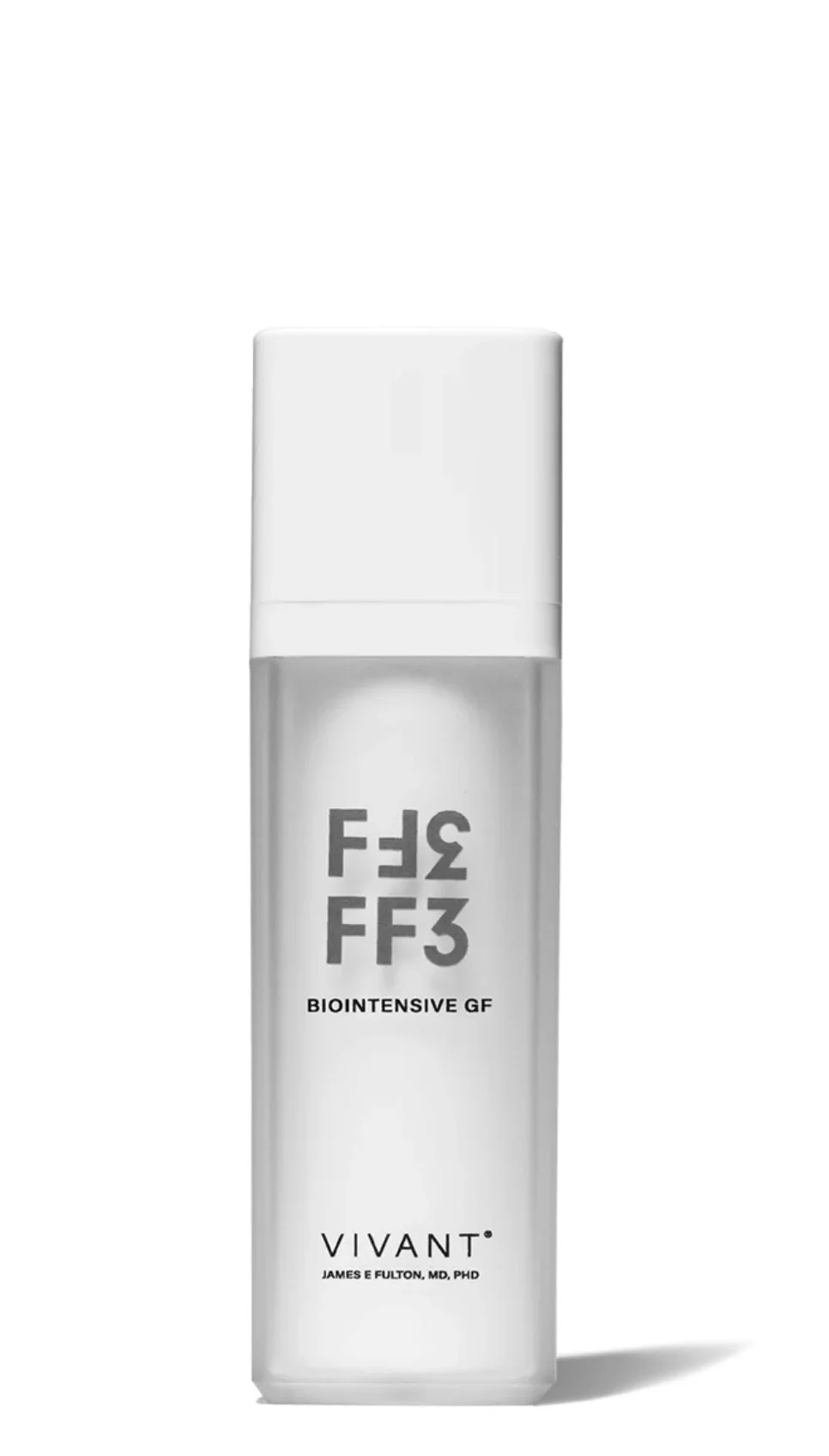
FF3 Biointensive GF
Using a growth factor complex, specialized proprietary peptides, retinol and pseudoalteromonas ferment extract (a marine protein that helps bind moisture and helps wound healing) this serum targets the effects of declining hormones to restore youthful skin function and appearance.
$294
Exosomes Treatment
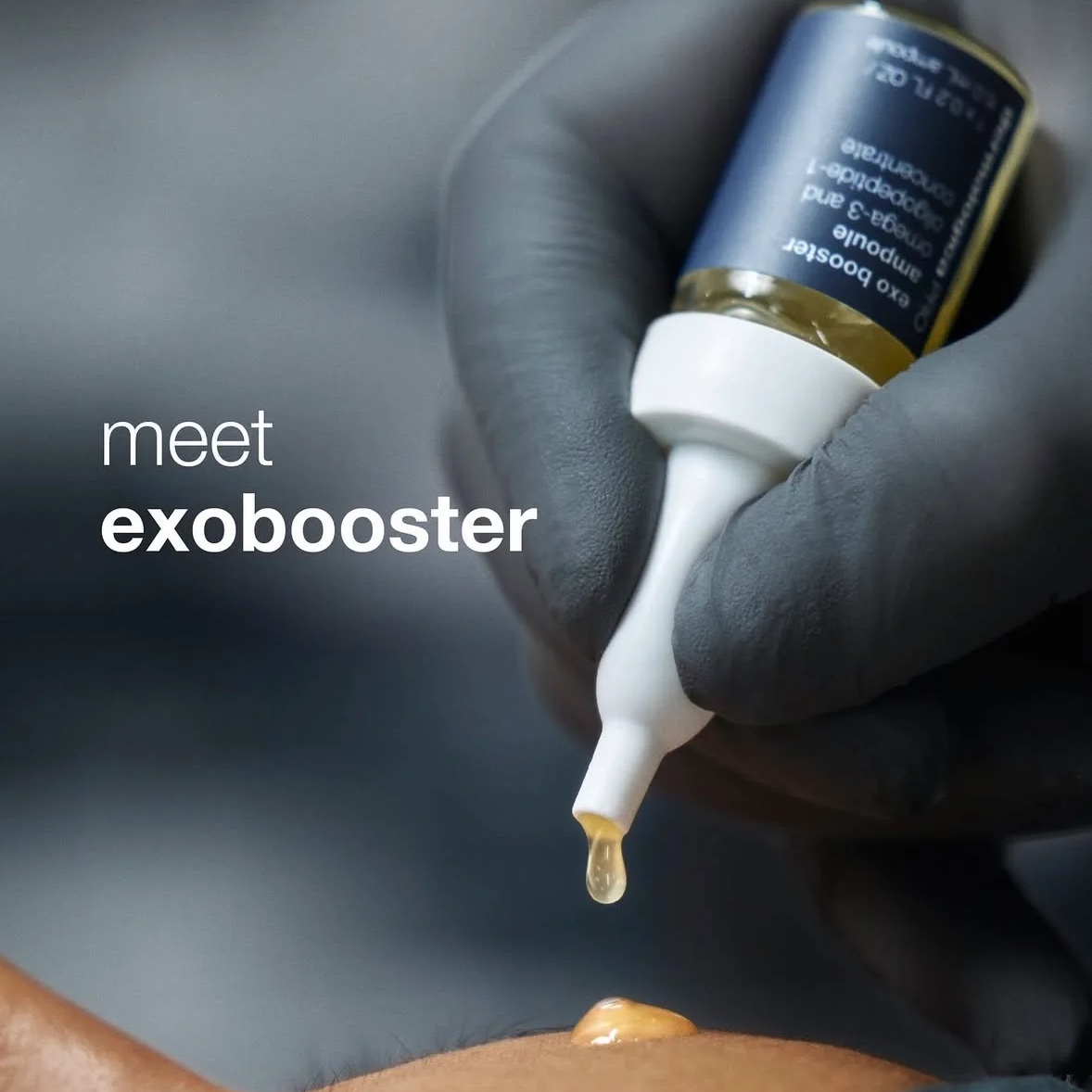
This has been one of my favorite treatments the past year! Exobooster is an add-on treatment to your microneedling service. It is a serum that is needled into the skin containing 10 billion lactobacillus exosomes containing a peptide, omega 3, bacilus ferment and phospholipids. It’s clinically proven to improve fine lines and wrinkles by 85%, firmness by 50% and texture by 35% vs. microneedling alone.
$150 add on